
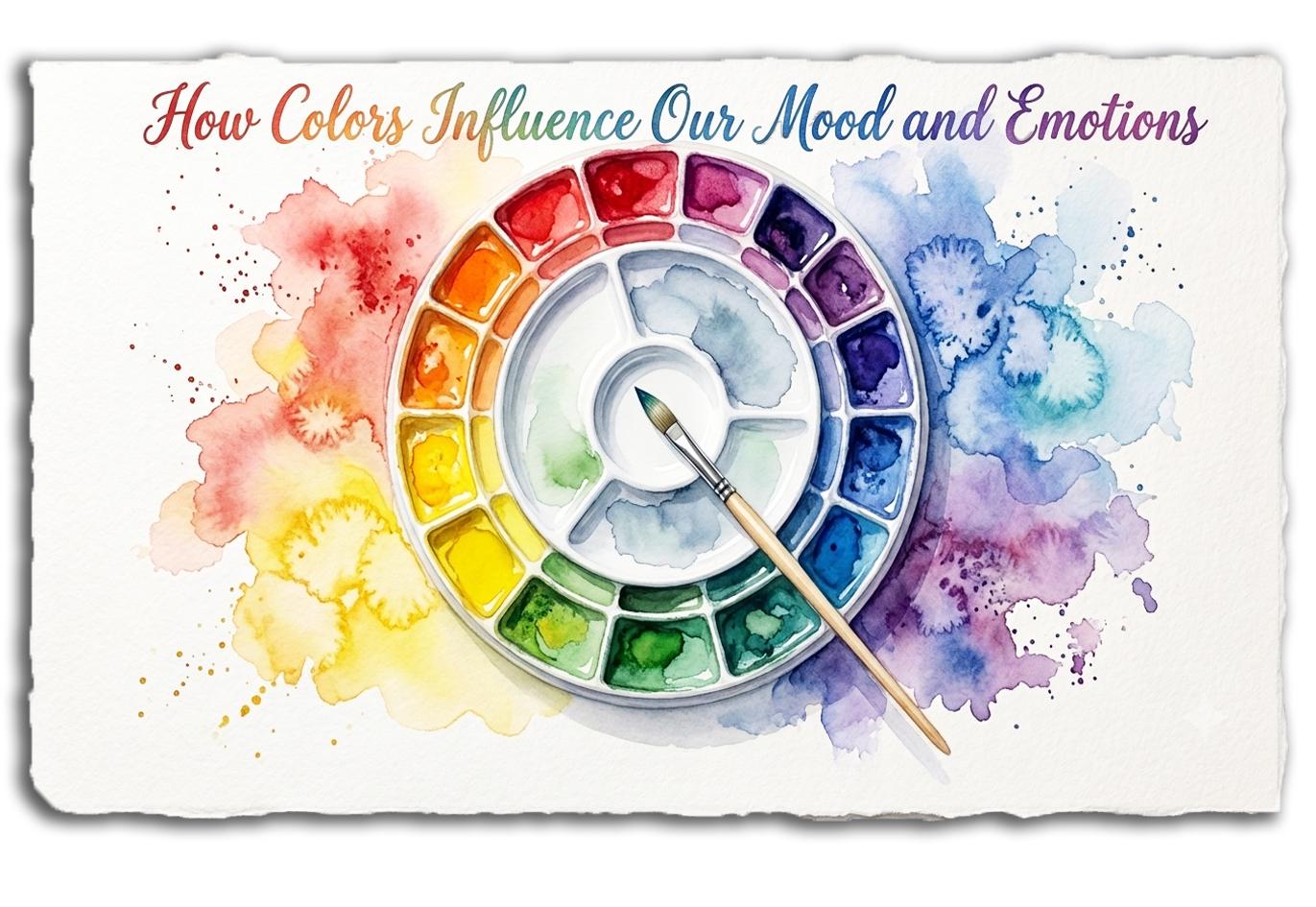
Color is more than just a visual element. It can shape our emotions, influence our decisions, and even affect the way we experience a space or an outfit. While personal experiences and cultural backgrounds play a role, research has shown that certain colors are often associated with specific emotional responses.
Let's explore how different colors can influence mood.
Red: Energy and Passion
Red is one of the most emotionally intense colors. It is often linked with excitement, confidence, passion, and strength. Studies suggest that red can increase alertness and even raise heart rate, making it a powerful choice when you want to stand out.
In fashion, red is commonly used for statement pieces and occasions where confidence is key.
Blue: Calm and Trust
Blue is widely associated with peace, stability, and reliability. It is frequently used in workplaces, healthcare settings, and branding because it promotes a sense of trust and relaxation.
Soft blue clothing often creates a calm and approachable appearance, while darker shades convey professionalism and confidence.
Yellow: Happiness and Optimism
Yellow is often connected with sunshine, creativity, and joy. It can lift the mood and stimulate positive thinking when used in moderation.
Because bright yellow is highly stimulating, many designers use it as an accent rather than the dominant color in an outfit or interior.
Green: Balance and Nature
Green is strongly associated with nature, growth, and harmony. Research suggests that spending time around green environments may help reduce stress and improve mental well-being.
In clothing, green offers a refreshing and balanced look that feels both natural and elegant.
Purple: Creativity and Luxury
Purple has long been linked with imagination, sophistication, and luxury. Historically associated with royalty, it continues to symbolize creativity and elegance in modern fashion.
Lighter shades feel romantic and soft, while deeper purples create a dramatic and refined appearance.
Black: Power and Elegance
Black represents sophistication, authority, and timeless style. It remains one of the most popular fashion colors because it creates a clean silhouette and pairs effortlessly with almost every other color.
Many people choose black when they want to appear confident, formal, or polished.
White: Simplicity and Freshness
White is often associated with cleanliness, simplicity, and new beginnings. It creates a sense of openness and light, making it a popular choice for both fashion and interior design.
White garments can make an outfit appear fresh, minimal, and effortlessly elegant.
Pink: Kindness and Comfort
Pink is commonly connected with warmth, compassion, and affection. Softer shades create a calming atmosphere, while brighter pinks express confidence, energy, and playfulness.
Today's fashion embraces pink across every style, from casual wear to sophisticated evening looks.
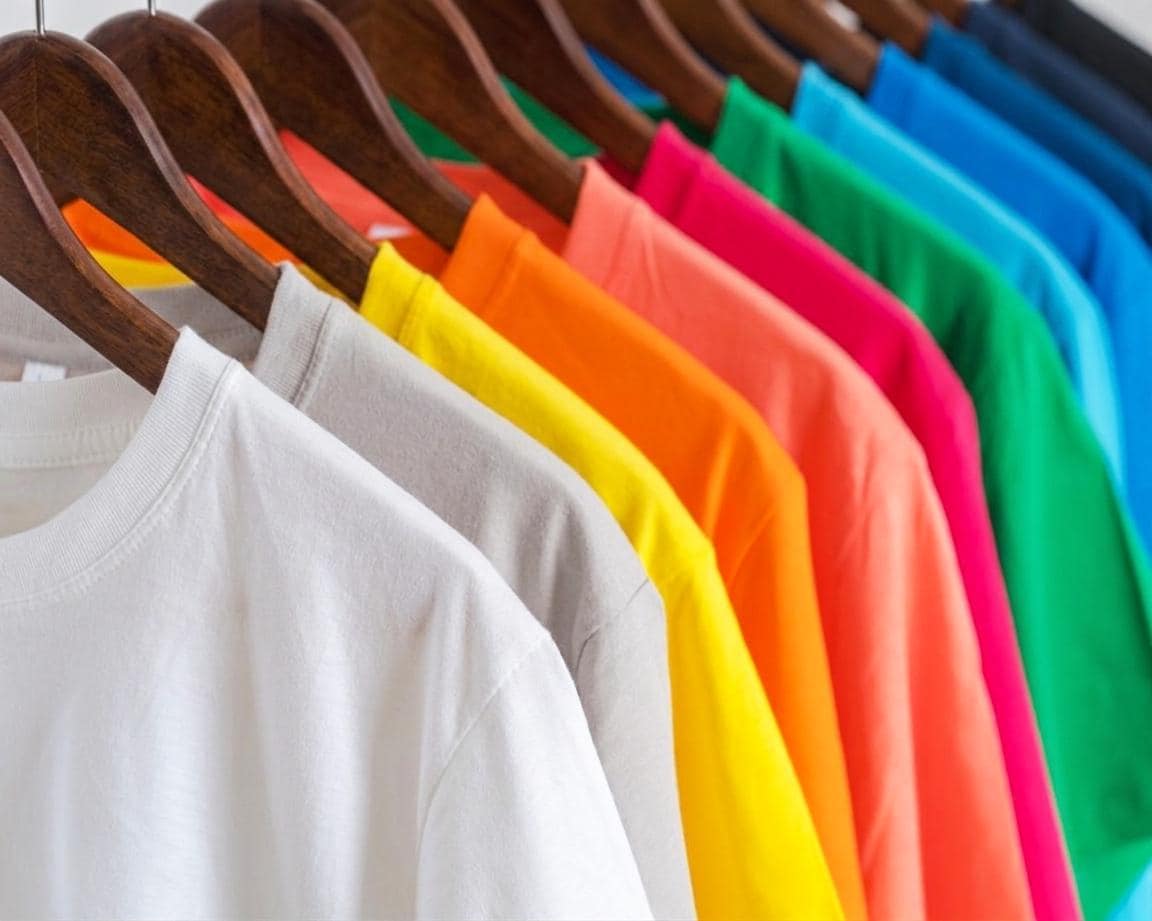
Final Thoughts
Color psychology is fascinating, but it's important to remember that no color affects everyone in exactly the same way. Personality, culture, memories, and context all influence how we respond to different colors.
The best color is often the one that makes you feel confident, comfortable, and true to your personal style.
👉 💌 Join our Email Newsletter 💌 👈
👉 💌 Join our Email Newsletter 💌 👈
References
• Elliot, A. J., & Maier, M. A. (2014). Color Psychology: Effects of Perceiving Color on Psychological Functioning. Annual Review of Psychology.
• Kaya, N., & Epps, H. H. (2004). Relationship Between Color and Emotion. College Student Journal.
• Whitfield, T. W. A., & Wiltshire, T. J. (1990). Color Psychology: A Critical Review. Genetic, Social, and General Psychology Monographs.
This article is based on published scientific research and has been independently written and edited by the author for educational purposes.